Classic Cars: Original Condition or Modified?
Original or restomod? What modifications mean for a classic car's value, historic registration, insurance and rally eligibility. Plus a sensible middle way.
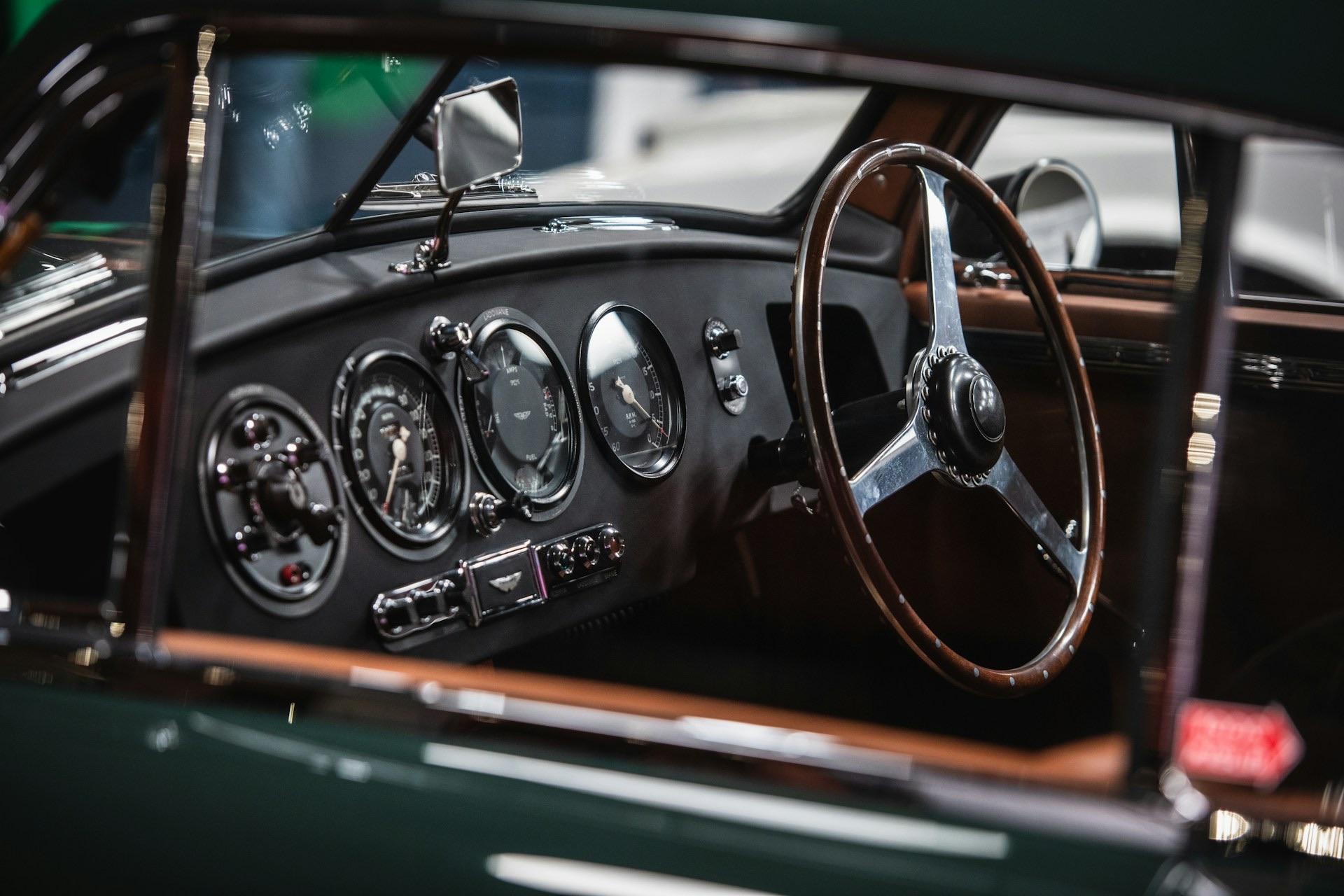
Original or modified? Few questions split the classic car world like this one. Purists want the car exactly as it left the factory. Others want better brakes, more power or simply a car that starts every time. Both have a point. What matters is how you use your car and what registration rules and rally regulations allow.
Why original condition is so valued
- History: An original car shows how it really was. Every seam and bolt belongs to its era.
- Value: The closer to factory spec, the higher the price usually is. Collectors pay a lot for matching numbers, meaning engine, gearbox and chassis that left the factory together.
- Recognition: Concours events and some rallies have their own awards for originality.
The downside: original parts are expensive and often hard to find. And you won't get modern comfort or safety.
The case for modifications
A restomod is a classic car with modern technology underneath. Typical changes:
- better brakes and modern suspension
- electronic ignition instead of contact points
- a stronger alternator and extra cooling fans
- more power or a different engine
Sensible changes make the car more reliable. You drive more and fix less at the roadside.
The pitfalls
- Value: In the collector market, heavy modifications often lower the price.
- Approval: A different engine, suspension or brake system usually has to be approved and written into the papers. In Germany that is TÜV or DEKRA. Austria and Switzerland require approval too.
- Historic registration: Germany's H plate is available 30 years after first registration, and only with an official historic-vehicle inspection. The car has to be in good shape and largely original. A period restoration often passes. A major rebuild often does not. Other countries have their own rules for historic vehicles.
- Insurance: Cheap classic car policies often cover only cars in historic condition. Always declare modifications.
What it means for rallies
For many classic rallies, the regulations decide whether your car fits. Some require historic registration or a FIVA identity card. Others accept modified cars as long as the build year is right.
Electronic ignition and a better battery are usually fine. Tyres still have to match the papers and the regulations. Power steering added later, or an engine swap, is more likely to be a problem. When in doubt, ask the organiser before you enter.
Measuring equipment is regulated too. Whether you may use a tripmaster, a rally computer or an app often depends on your class.
The middle way
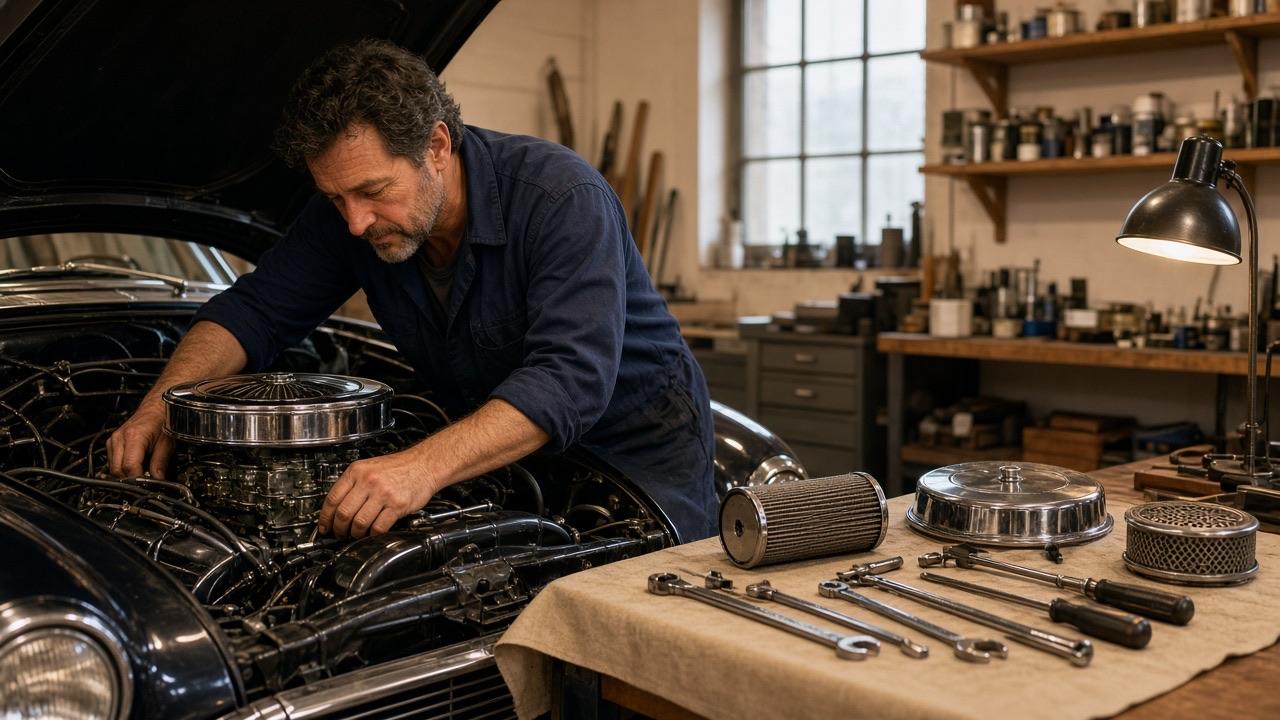
There is plenty of room between 100% original and a full rebuild:
- Safety first: Better brake pads, good tyres and seat belts lower the risk without changing the car's character.
- Keep it hidden: What you can't see rarely bothers purists. Electronic ignition inside the original distributor is a good example.
- Make it reversible: Keep the original parts. Steering wheel, wheels or carburettor can then go back on later.
- Think period-correct: Upgrades from the car's own era have a better chance in the historic inspection than later technology.
Your call
Ask yourself what the car is for. If concours and collector value matter to you, keep the car largely original. For lots of miles and long rally days, subtle upgrades are often the better choice. What counts is that it gets driven. The rally calendar has events for both.
Terms in this guide
Read next
What Is a Classic Car Rally? Formats, Rules and Requirements
Classic car rallies explained: from relaxed tours to regularity rallies. How a rally day runs, how scoring works and what you need to take part.
Your First Classic Car Rally: Preparation and Checklist
Your first classic car rally: what to sort out beforehand, what to pack in the car and how rally day works. Includes a practical checklist.
Rally app or tripmaster? What you actually need
Rally app or tripmaster? An honest comparison for classic rallies: accuracy, installation, GPS reception, regulations and when each one makes sense.