What Is a Classic Car Rally? Formats, Rules and Requirements
Classic car rallies explained: from relaxed tours to regularity rallies. How a rally day runs, how scoring works and what you need to take part.
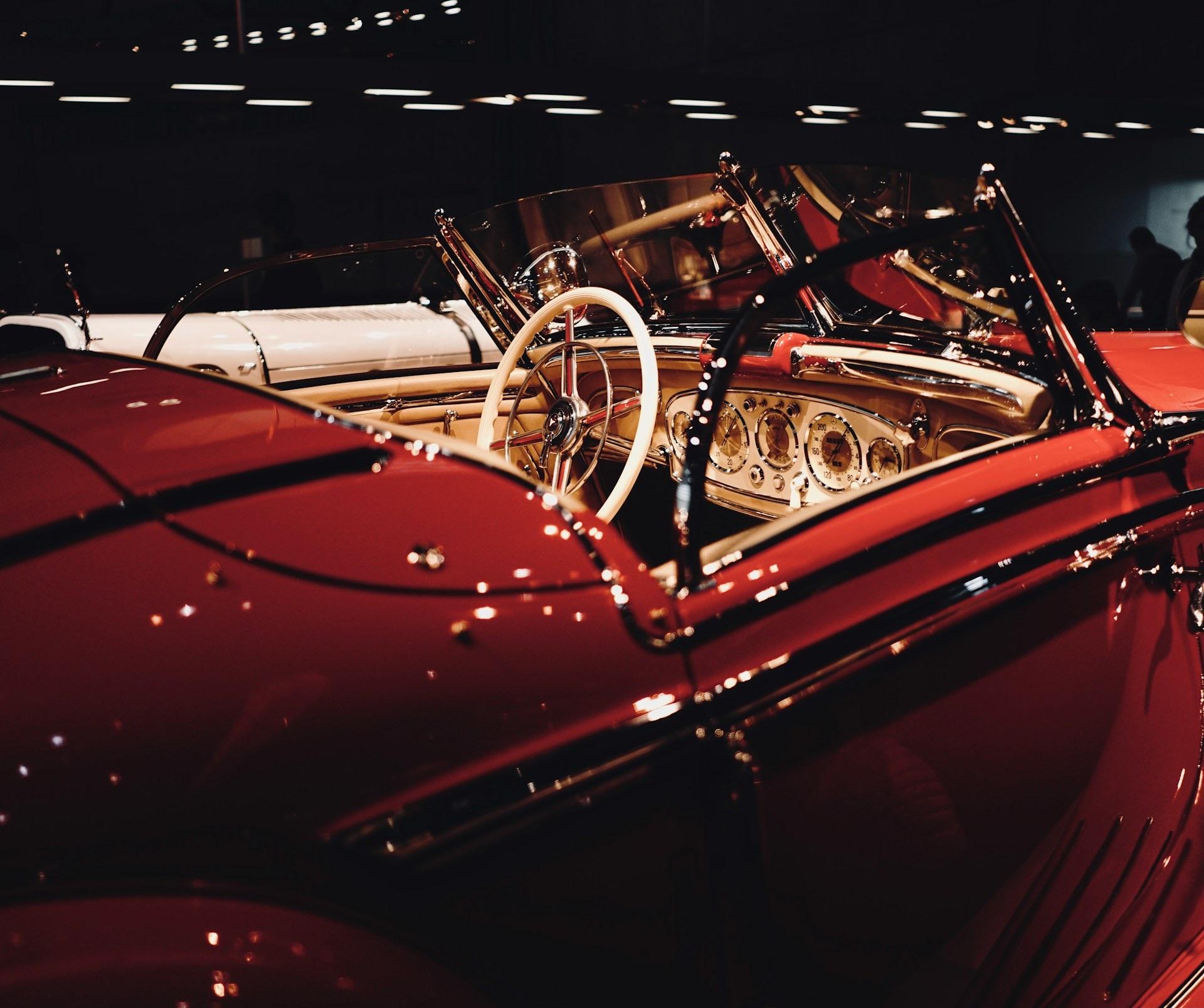
At a classic car rally, historic cars drive a set route on public roads. The winner is usually not the fastest car but the most precise crew: holding the average speed, reaching controls on time and finding the right way. Some rallies are relaxed tours, others are serious competitions.
The idea
A classic car rally is a reason to get the car out of the garage: a great route, a bit of competition and plenty of like-minded people. You need teamwork, a sharp eye on the roadbook and a car that lasts the day.
The main formats
| Format | What counts | Who it suits |
|---|---|---|
| Touring rally | Arriving and enjoying the drive, often unscored | Beginners, clubs, people who like a good lunch |
| Navigation rally | Finding the route and every control | Crews who enjoy puzzles |
| Regularity rally | Holding a set average speed exactly | Competitive crews |
| Long-distance rally | Several days or weeks, often across borders | Experienced crews with a tough car |
Many events mix these formats. You navigate by tulip diagrams and drive timed regularity sections along the way.
How a rally day runs
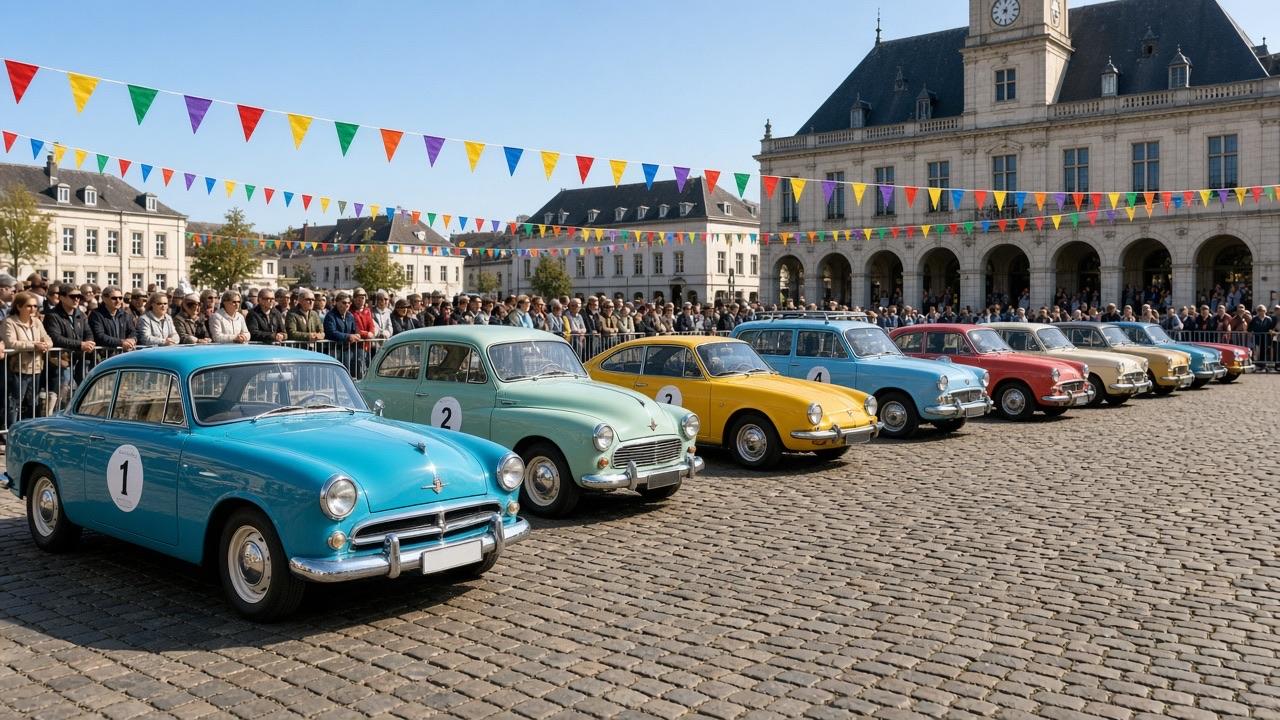
- Scrutineering and briefing: The organiser checks your car and documents and explains the day's rules. You get the roadbook and your time card.
- Start: Crews start one by one, usually a minute apart by start number. For spectators this is often the best part.
- On the road: At time controls your due time is a set minute. Early and late both score penalty points. Passage controls prove you drove the right route. In between are timed sections measured by light barrier, pressure hose or GPS.
- Finish and results: On a scored rally, every deviation turns into penalty points. The crew with the fewest points wins.
Some rallies add extra tasks, such as questions about the route or a stop on a line to the centimetre.
Which cars can take part?
The regulations decide. A common cut-off is 30 years, sometimes a fixed build year. Some organisers follow the FIVA age classes. Others set their own rules. Some add a separate class for younger classics.
Lights, brakes and tyres must be in order, and the car must be registered and insured. Whether you need historic registration is in the regulations. Our guide on original vs. modified classics explains what modifications change.
What to bring
- driving licence, registration papers and proof of insurance
- a co-driver who enjoys navigating and doing sums
- a reliable stopwatch or a rally app
- tools, spare fuses, a fan belt and spark plugs
- water, snacks and patience for waiting at controls
For the day itself, see the checklist for your first classic car rally.
Why it is so much fun
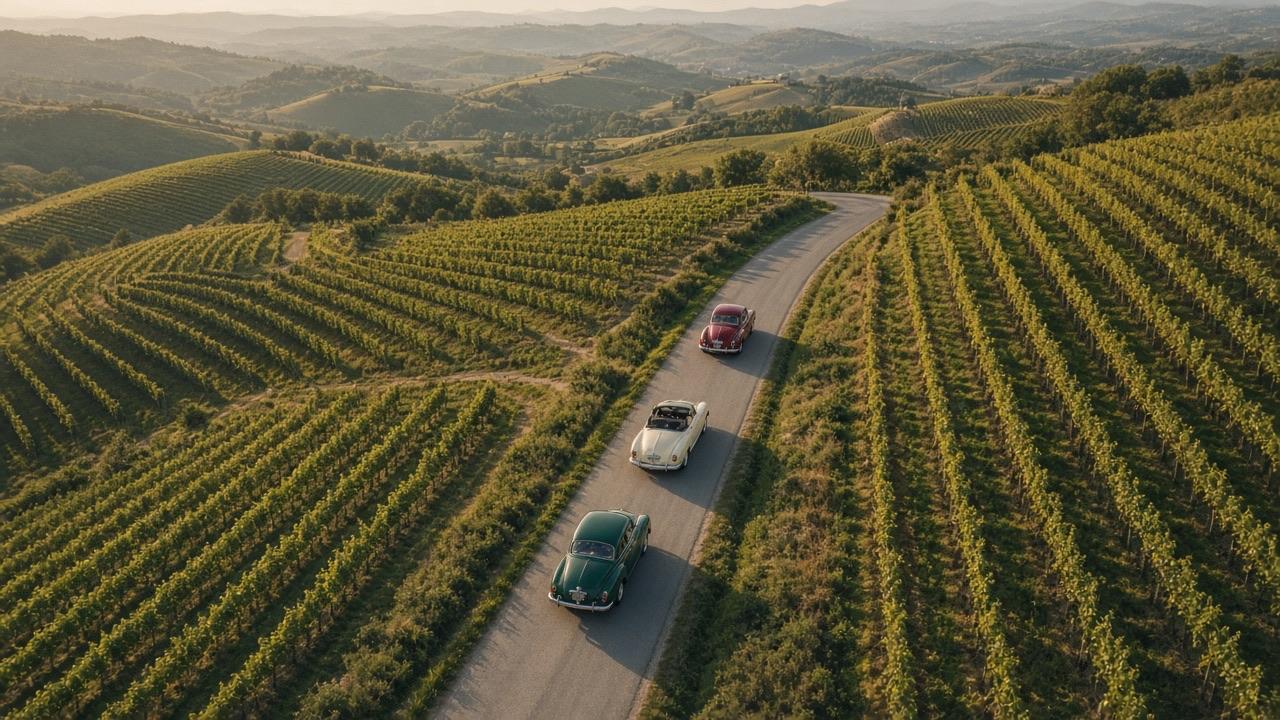
A classic rally is a competition and a road trip at once. You drive roads you would never have found and meet people who share the same passion. Even a botched section becomes the best story at dinner.
The rally calendar lists events for every level. Rally Co-Pilot works out your target time on the road and shows live whether you are ahead of or behind schedule.
Terms in this guide
Read next
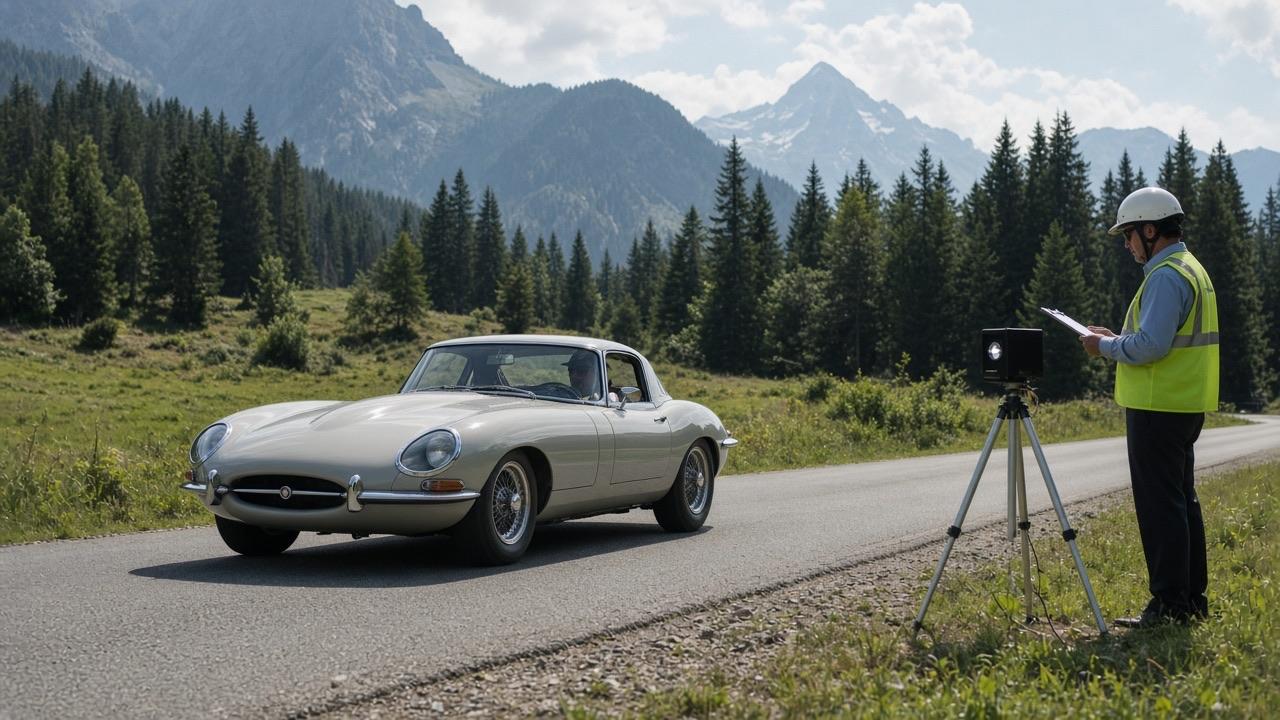
What Is a Regularity Rally? Rules and Basics
A regularity rally rewards precision, not speed. Learn how average speeds, target times, secret checks and penalty points work at classic car rallies.
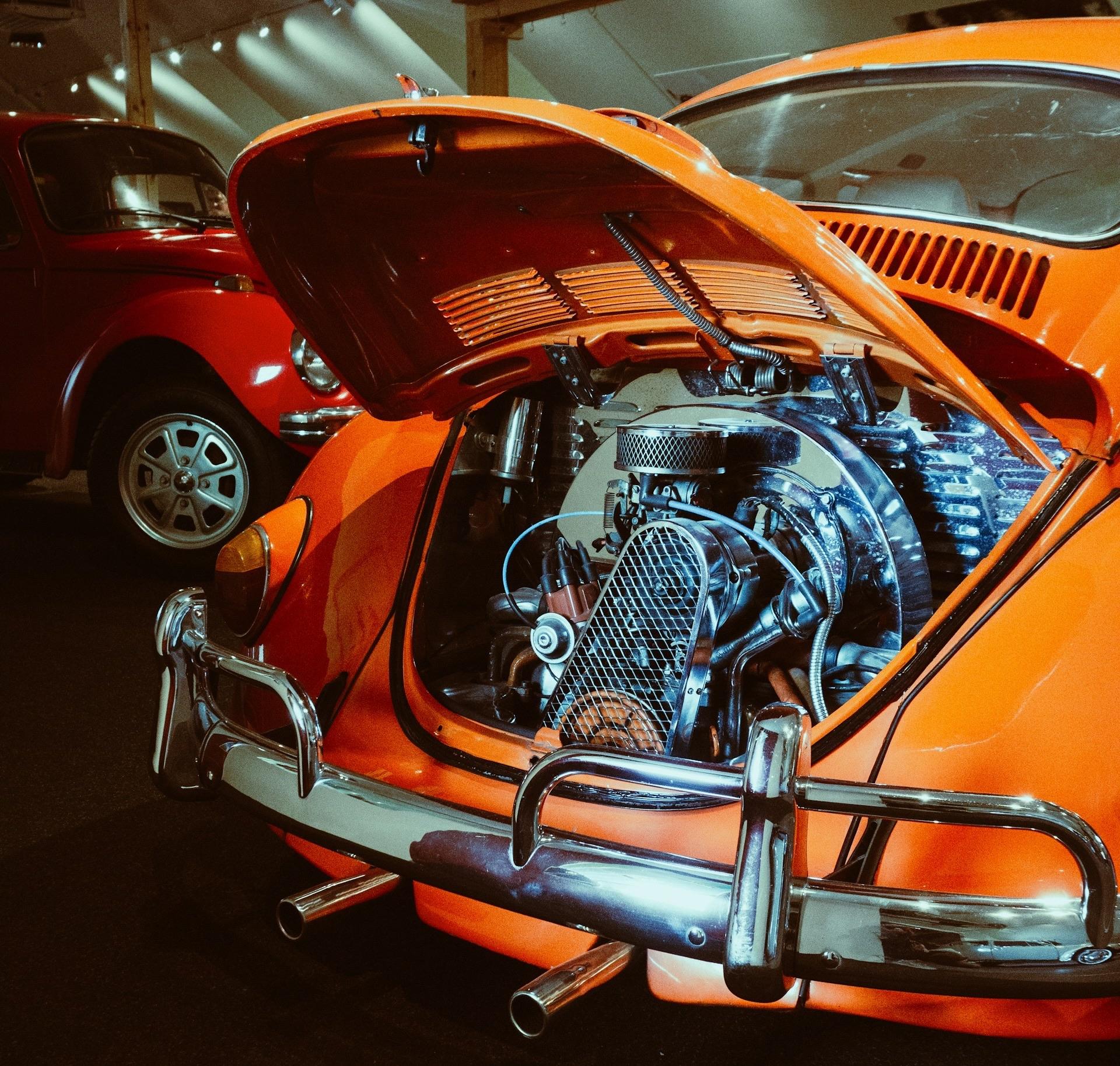
Your First Classic Car Rally: Preparation and Checklist
Your first classic car rally: what to sort out beforehand, what to pack in the car and how rally day works. Includes a practical checklist.
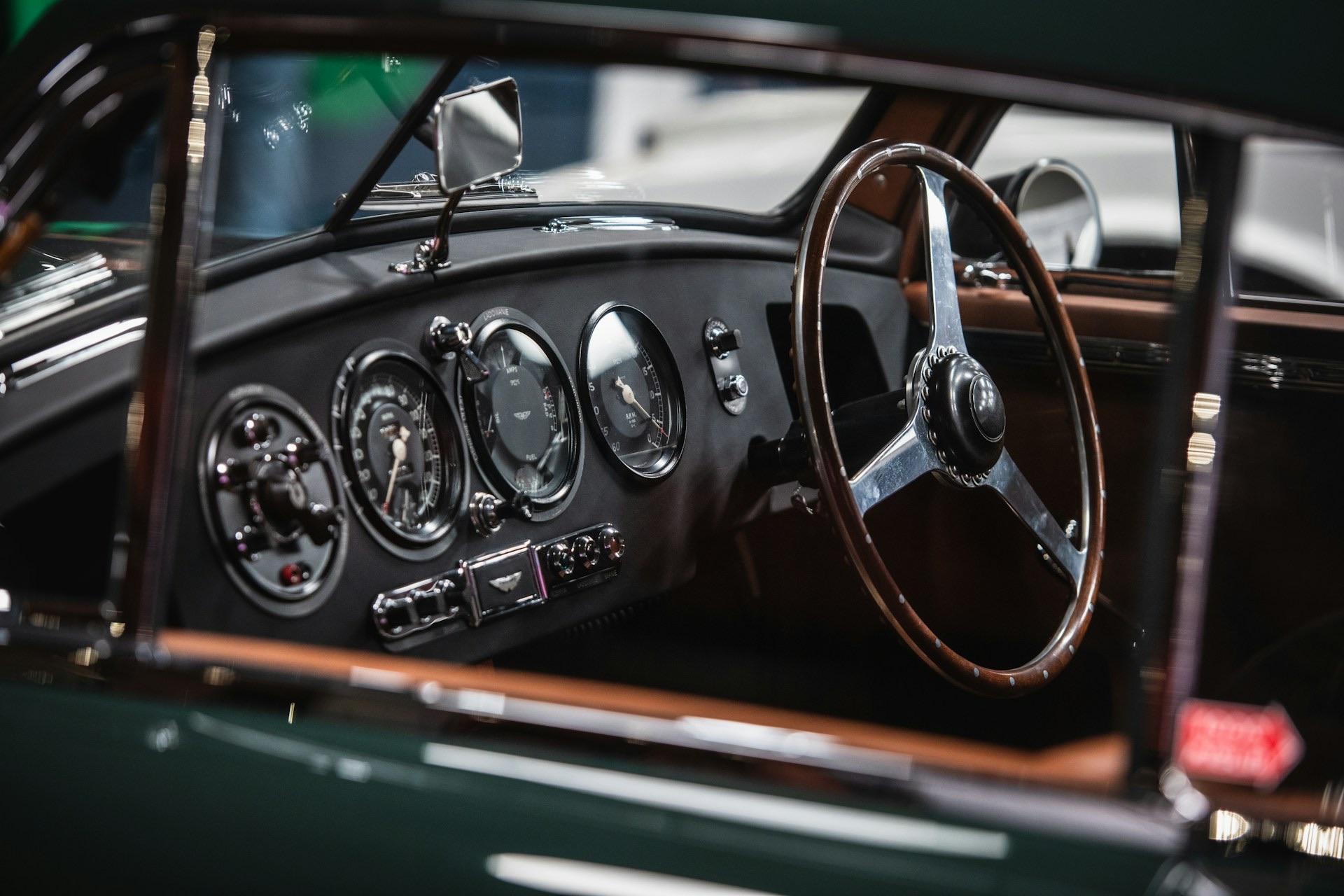
Classic Cars: Original Condition or Modified?
Original or restomod? What modifications mean for a classic car's value, historic registration, insurance and rally eligibility. Plus a sensible middle way.